An overview of modern thoracic surgery
Thoracic surgery in Vijayawada is a highly specialized branch of surgery focused on the diagnosis and operative management of conditions affecting the organs within the chest cavity, excluding the heart. This includes the lungs, pleura, chest wall, mediastinum, esophagus, and diaphragm. With rapid advancements in imaging, minimally invasive techniques, and perioperative care, contemporary thoracic surgery offers precise, effective, and patient-centered solutions for both benign and malignant thoracic diseases.
Conditions managed in thoracic surgery
Lung surgery specialist in Vijayawada treats a broad spectrum of complex conditions, ranging from early-stage disease to advanced, life-threatening pathology. Each condition requires a tailored approach based on anatomical involvement, disease stage, and patient physiology.
Common thoracic conditions treated include:
- Lung tumors and lung cancer
- Pleural diseases such as effusions and empyema
- Mediastinal masses and tumors
- Chest wall tumors and deformities
- Esophageal disorders requiring surgical intervention
- Recurrent pneumothorax and bullous lung disease
- Thoracic trauma and infections
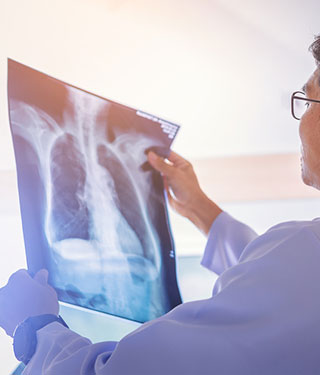
Early surgical evaluation is often critical in achieving optimal outcomes and preventing disease progression.
Comprehensive diagnostic and preoperative assessment
Accurate diagnosis and meticulous preoperative planning form the foundation of successful thoracic surgery. Given the close relationship between thoracic organs and vital respiratory structures, detailed evaluation is essential for Chest surgery in Vijayawada.
Preoperative assessment typically includes:
- High-resolution CT scans and PET-CT imaging
- Bronchoscopy and image-guided biopsies
- Pulmonary function testing to assess respiratory reserve
- Cardiopulmonary evaluation for surgical fitness
- Multidisciplinary tumor board discussions when malignancy is suspected
This structured assessment ensures precise surgical planning while minimizing operative risk.
Advanced surgical techniques and operative expertise
Advanced thoracic surgery in Vijayawada employs a combination of conventional open procedures and minimally invasive approaches, selected based on disease complexity and patient suitability.
Key thoracic surgical procedures include:
- Lobectomy Surgery: Surgical removal of a diseased lung lobe, commonly performed for lung cancer and localized lung conditions while preserving healthy lung tissue.
- Pneumonectomy Surgery: Complete removal of one lung for advanced or extensive lung disease when partial resection is not feasible.
- Decortication of Lung: Removal of thick fibrous tissue from the lung surface to allow full lung expansion, often used in chronic empyema and trapped lung conditions.
- Bronchopleural Fistula Repair: Surgical closure of an abnormal communication between the bronchial tree and pleural space to prevent persistent air leaks and infection.
- Empyema Management Surgery: Definitive surgical treatment for infected pleural fluid, aimed at clearing infection and restoring normal lung function.
- Lung Mass Excision: Surgical removal of abnormal lung growths to establish diagnosis or achieve curative treatment for benign or malignant lesions.
- Carcinoid Tumor Surgery of Lung: Precise surgical resection of neuroendocrine lung tumors with preservation of lung function whenever possible.
- Tracheal Reconstruction Surgery: Complex airway surgery to repair or reconstruct narrowed, damaged, or diseased segments of the trachea for improved breathing.
Minimally invasive thoracic surgery in Vijayawada emphasizes oncologic completeness, preservation of lung function, and rapid postoperative recovery.
Multidisciplinary collaboration and surgical leadership
Thoracic surgery requires close collaboration between surgeons, pulmonologists, oncologists, radiologists, anesthesiologists, and critical care teams. Under the clinical expertise of specialists such as Dr. Pamidi Varun, patients benefit from evidence-based surgical decision-making, advanced operative planning, and individualized care pathways. This integrated approach ensures continuity of care from diagnosis through postoperative recovery.
Perioperative care and respiratory support
Postoperative management is a critical component of thoracic surgery, particularly given the impact of surgery on respiratory function. Patients are monitored in specialized units equipped for advanced respiratory and hemodynamic support.
Key aspects of perioperative care include:
- Optimized pain control to facilitate early breathing exercises
- Chest physiotherapy and pulmonary rehabilitation
- Careful fluid and infection management
- Continuous monitoring for respiratory complications
This proactive care under a Heart failure specialist in Vijayawada significantly reduces postoperative morbidity and enhances recovery.
Rehabilitation, recovery, and long-term follow-up
Recovery after thoracic surgery extends beyond hospital discharge. Structured rehabilitation and follow-up are essential for restoring lung capacity, physical endurance, and overall quality of life.
Long-term care focuses on:
- Pulmonary rehabilitation and breathing exercises
- Smoking cessation and lifestyle modification
- Surveillance imaging and clinical review for recurrence
- Nutritional and psychological support
These measures empower patients to return to daily activities with confidence and improved functional capacity.
Safety, outcomes, and quality assurance
Excellence in thoracic surgery is defined by consistent clinical outcomes, adherence to international surgical standards, and continuous quality improvement. Regular audits, adoption of evolving surgical technologies, and ethical clinical practice ensure patient safety remains paramount. Transparent communication and informed consent are integral throughout the surgical journey.
Commitment to innovation and patient-centered care
Advances in minimally invasive surgery, enhanced recovery protocols, and perioperative medicine continue to redefine thoracic surgical care. Innovation is matched by a strong commitment to patient-centered values—ensuring dignity, clarity, and compassion at every stage of treatment.
Conclusion
Thoracic surgery plays a vital role in the management of complex chest diseases, offering both life-saving and life-enhancing solutions. Through precise diagnostics, advanced surgical expertise, multidisciplinary collaboration, and comprehensive rehabilitation, modern thoracic surgery delivers durable outcomes and improved quality of life. With a focus on safety, innovation, and individualized care, thoracic surgical services stand at the forefront of contemporary chest medicine.