INTRODUCTION
Many people believe that a heart attack and cardiac arrest are the same condition. Although the terms are often used interchangeably, they are two completely different medical emergencies. Understanding the difference between them can help people recognize warning signs early and seek timely treatment. A heart attack happens when blood flow to a part of the heart muscle is reduced or blocked. Cardiac arrest, on the other hand, occurs when the heart suddenly stops beating properly because of an electrical problem within the heart. Knowing how to identify these conditions can save lives and reduce the risk of serious complications.
WHAT IS A HEART ATTACK?
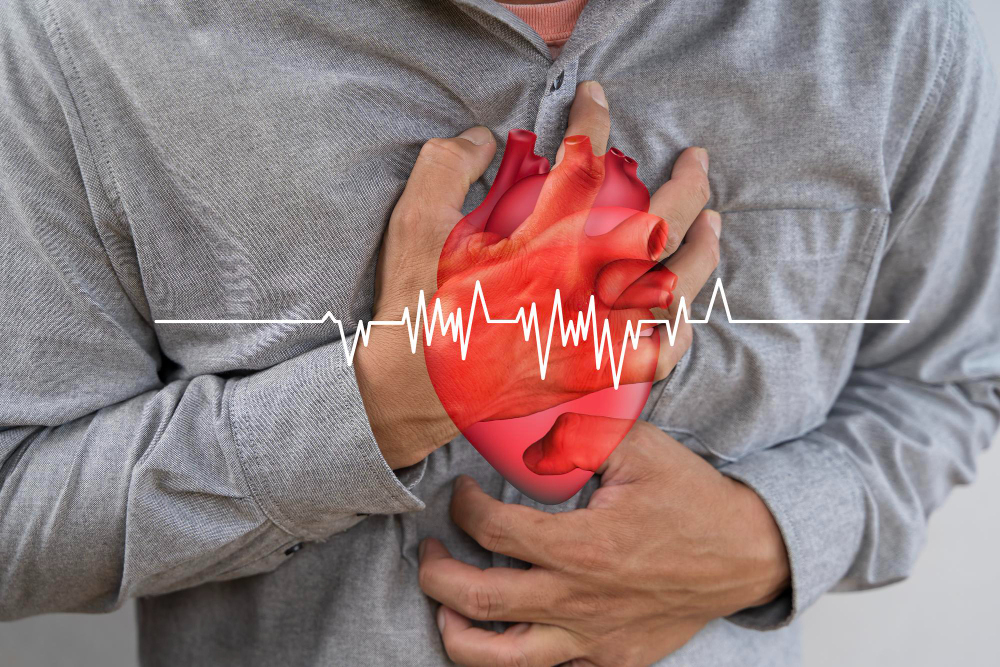
A heart attack, also known as a myocardial infarction, occurs when the heart muscle does not receive enough oxygen-rich blood. Without prompt treatment, the affected part of the heart can become permanently damaged. People seeking Heart Attack Treatment in Vijayawada should remember that early medical attention greatly improves the chances of recovery.
Common Causes
The most common reason for a heart attack is narrowing or blockage of the coronary arteries, which supply blood to the heart. Several factors can contribute to this condition, including plaque accumulation inside the arteries, blood clot formation, and long-standing coronary artery disease.
Symptoms
Book an Appointment
Get personalised heart care from our experienced specialists.
The symptoms of a heart attack can vary from one person to another. Some people experience severe symptoms, while others notice only mild discomfort. Common symptoms include chest pain, pressure, tightness in the chest, pain spreading to the arm, neck, jaw, or back, shortness of breath, sweating, nausea, dizziness, and unusual fatigue.
Risk Factors
Certain conditions and lifestyle choices increase the risk of a heart attack. High blood pressure, diabetes, high cholesterol levels, obesity, smoking, lack of exercise, and a family history of heart disease are among the most common risk factors.
WHAT IS CARDIAC ARREST?
Cardiac arrest occurs when the heart suddenly stops pumping blood effectively because of a disruption in its electrical activity. As a result, blood circulation to the brain and other vital organs stops immediately. People looking for Cardiac Arrest Treatment in Vijayawada should understand that immediate intervention is essential because every minute matters.
Common Causes
Cardiac arrest can occur because of abnormal heart rhythms, a previous heart attack, heart muscle diseases, congenital heart abnormalities, severe injuries, drowning, or electrocution.
Symptoms
Unlike a heart attack, cardiac arrest usually develops without warning. A person may suddenly collapse, lose consciousness, stop breathing, and have no detectable pulse.
Why Is It So Dangerous?
Cardiac arrest is considered one of the most serious medical emergencies because brain cells begin to suffer damage within just a few minutes. Immediate cardiopulmonary resuscitation (CPR) and the use of an automated external defibrillator (AED), when available, can significantly improve survival rates.
HEART ATTACK VS CARDIAC ARREST: KEY DIFFERENCES
Although both conditions affect the heart, their causes, symptoms, and treatments are different. A heart attack is essentially a circulation problem, whereas cardiac arrest is an electrical problem. People experiencing a heart attack are often awake and conscious, even though they may be in considerable distress. In contrast, individuals suffering from cardiac arrest usually become unconscious almost immediately. A heart attack may develop gradually over several minutes or even hours, while cardiac arrest usually occurs suddenly and unexpectedly. Both conditions require urgent medical care, but the treatment approaches are different.
CAN A HEART ATTACK LEAD TO CARDIAC ARREST?
Yes, a severe heart attack can sometimes trigger cardiac arrest. When the heart muscle is damaged, the normal electrical signals that control the heartbeat may become disturbed, resulting in dangerous heart rhythms. However, it is important to understand that not every heart attack leads to cardiac arrest. Early diagnosis and treatment reduce the likelihood of life-threatening complications. Timely care provided by an experienced Cardiologist in Vijayawada can make a significant difference in both survival and long-term recovery.
WHAT SHOULD YOU DO DURING A HEART ATTACK?
If you suspect that someone is having a heart attack, quick action is essential.
- Call emergency medical services immediately.
- Encourage the person to remain calm.
- Help the individual sit in a comfortable position.
- Loosen any tight clothing.
- Give aspirin only if it has been recommended by a medical professional and there are no contraindications.
- Never ignore symptoms or wait for them to disappear.
WHAT SHOULD YOU DO DURING CARDIAC ARREST?
If a person suddenly collapses and becomes unresponsive, immediate action is necessary.
- Call emergency medical services immediately.
- Begin CPR without delay.
- Use an AED if one is available nearby.
- Continue CPR until trained medical personnel arrive.
Rapid treatment greatly improves the chances of survival.
HOW ARE THEY DIAGNOSED?
Doctors use several tests to identify the exact cause of the problem and determine the most appropriate treatment plan. For a heart attack, physicians usually perform an electrocardiogram (ECG), blood tests to measure cardiac enzymes, an echocardiogram, and coronary angiography. Following successful resuscitation after cardiac arrest, doctors may recommend an ECG, blood investigations, an echocardiogram, and other imaging studies when necessary. In some situations, advanced procedures, including Cardiac surgery in Vijayawada, may be recommended depending on the severity of the condition.
CAN THEY BE PREVENTED?
Many heart problems can be prevented by making healthy lifestyle choices and undergoing regular medical evaluations. Maintaining a balanced diet rich in fruits, vegetables, whole grains, and lean proteins can improve heart health. Regular physical activity helps control body weight, blood pressure, and cholesterol levels. It is equally important to manage diabetes, quit smoking, limit alcohol consumption, and learn healthy ways to deal with stress. Routine check-ups also allow doctors to identify problems before they become serious. According to Dr Varun Pamidi, awareness, prevention, and timely treatment are the keys to maintaining a healthy heart.
WHEN SHOULD YOU SEE A CARDIOLOGIST?
You should never ignore symptoms that might indicate an underlying heart condition.
Seek medical advice if you experience:
- Persistent chest pain or discomfort
- Difficulty breathing or shortness of breath
- An irregular heartbeat
- High blood pressure
- High cholesterol levels
- Diabetes
- A strong family history of heart disease
Early evaluation can help prevent severe complications and improve overall quality of life.
CONCLUSION
Heart attacks and cardiac arrest are serious conditions, but they are not the same. A heart attack is caused by blocked blood flow to the heart, whereas cardiac arrest occurs when the heart suddenly stops functioning because of an electrical disturbance. Both situations require immediate medical attention. Recognizing the warning signs, seeking treatment without delay, and scheduling regular heart examinations can help protect your health and reduce the risk of severe complications. Understanding these differences could one day help save a life.
Frequently Asked Questions (FAQs)
1. Is a heart attack the same as cardiac arrest?
No. A heart attack occurs when blood flow to the heart is blocked, while cardiac arrest happens when the heart suddenly stops beating effectively.
2. Can you survive cardiac arrest?
Yes. Immediate CPR, early defibrillation, and rapid medical care significantly increase survival rates.
3. Does every heart attack cause cardiac arrest?
No. Although some heart attacks may lead to cardiac arrest, many people recover completely with prompt treatment.
4. Can young people experience cardiac arrest?
Yes. Certain inherited heart conditions, injuries, or electrical abnormalities of the heart can affect younger individuals.
5. What is the first sign of a heart attack?
Chest discomfort is often the first sign, but some people may experience nausea, fatigue, dizziness, or shortness of breath.
6. How long can someone survive without CPR during cardiac arrest?
Brain damage can begin within a few minutes if CPR is not started immediately.